You’ll find that a fifth wheel hitch offers smoother towing with better stability due to its large kingpin-jaw connection and weight distribution. This makes it ideal for recreational trailers. In contrast, a gooseneck hitch mounts over the rear axle with a ball coupler, handling heavier commercial loads and allowing easier bed access.
While adapters exist, they can reduce capacity and add complexity. Understanding installation, load limits, and ride quality differences will help you pick the perfect hitch for your needs.

- Fully articulating head allows front to back and side to side pivoting. This original feature is…
- Cam action latching handle for easy release, even when parked on unlevel sites. This original…
- Polyurethane bushings provide a quiet, rattle-free towing experience. This original feature is…

- PUCK SYSTEM READY. This gooseneck hitch kit includes a standard 2-5/16-inch gooseneck ball and…
- DROP-IN INSTALL. Installing the gooseneck ball and anchors in your truck bed couldn’t be easier. The…
- HIGH-STRENGTH. Rated to tow gooseneck trailers up to 38,000 pounds, the 2-5/16-inch gooseneck ball…
Key Takeaways
- Fifth wheel hitches use a jaw and kingpin system, offering a larger contact surface and smoother, more stable towing rides.
- Gooseneck hitches employ a ball and coupler connection, mounted over the rear axle for higher weight capacity and commercial use.
- Fifth wheels require bulky base rails permanently mounted in the bed, limiting bed access, while goosenecks use a flush, removable ball mount.
- Goosenecks typically support heavier loads (33,000+ lbs) compared to fifth wheels (around 30,000 lbs), with adapters lowering capacity to 21,000–25,000 lbs.
- Fifth wheels suit recreational towing and paved roads, whereas goosenecks excel in heavy-duty hauling on rugged, uneven terrain.
Comparison Between 5th Wheel & Goose Neck
| Feature | 5th Wheel Hitch | Goose Neck Hitch |
|---|---|---|
| Connection Type | Kingpin and jaw system | Ball and coupler connection |
| Towing Stability | Smoother ride with less sway | More vibration on rough terrain |
| Weight Capacity | Up to ~30,000 lbs | 33,000+ lbs |
| Truck Bed Impact | Bulky rails reduce bed space | Flush mount preserves bed access |
| Ride Comfort | Better for long-distance RV towing | Better for rugged, heavy-duty hauling |
| Installation Complexity | More complex and permanent | Simpler and easier to remove |
| Best Use Case | Recreational RVs and campers | Commercial, farm, and heavy loads |
Fifth Wheel vs Gooseneck Hitch Connections
When comparing fifth wheel and gooseneck hitch connections, you’ll notice they rely on fundamentally different mechanisms to secure the trailer. The fifth wheel uses a jaw and kingpin system where the kingpin locks into the hitch’s jaws mounted in the truck bed, pivoting at the receiver.
- The fifth wheel secures the trailer by locking the kingpin into jaws mounted in the truck bed. This design guarantees a robust, stable connection with a large contact surface.
In contrast, the gooseneck employs a ball and coupler connection that pivots at the trailer tongue, similar to a traditional ball hitch but designed for heavier loads. You can also use adapters to convert a fifth wheel hitch to a gooseneck setup, allowing versatility.
Understanding these mechanical distinctions helps you select the appropriate hitch based on your towing needs and vehicle configuration. For optimal towing performance, consider the weight capacity requirements of your winch or hitch system to ensure safety and efficiency.
Towing Stability: Fifth Wheel vs Gooseneck
Although both fifth wheel and gooseneck hitches provide strong towing connections, fifth wheels deliver a smoother and more stable ride due to their larger contact zone and pivot design at the receiver.
You’ll find that the fifth wheel’s pivot point reduces trailer sway and frame stress more effectively than the gooseneck, which pivots at the tongue. However, without cushioned pin boxes, ride quality debates arise.
Goosenecks may transmit more noise and vibration to your truck, impacting overall comfort. Using a king pin stabilizer can further enhance fifth wheel stability by reducing movement and sway during camping.
| Feature | Fifth Wheel | Gooseneck |
|---|---|---|
| Pivot Location | Receiver (truck bed) | Trailer tongue |
| Contact Zone | Larger, distributes forces | Smaller, focused at ball |
| Ride Smoothness | Smoother, less sway | Potentially rougher |
| Frame Stress | Reduced on trailer frame | Higher stress concentration |
| Noise and Vibration | Lower with proper pin box | Potentially noisier |
Installation Differences And Truck Bed Impact

Since both fifth wheel and gooseneck hitches install in the truck bed over the axle, understanding their impact on your truck bed’s usability and structure is essential.
Fifth wheel hitches require bulky base rails mounted into the bed, which permanently alter its surface and limit full bed access. This installation adds weight and complexity, making removal challenging.
Conversely, gooseneck hitches use a simpler ball mount recessed flush with the bed, preserving flat bed space and allowing easier removal. Gooseneck components are lighter and less invasive, minimizing structural modifications.
When you install a fifth wheel, expect reinforced mounting points to handle the concentrated stresses. Gooseneck installations distribute load more evenly with fewer bed alterations. Your choice affects bed versatility, maintenance, and long-term truck value.
It is also important to consider the hitch compatibility with your truck’s mounting system and pin box type to ensure safe and efficient operation.
Best Uses For Fifth Wheel And Gooseneck Trailers
Fifth wheel trailers really shine when it comes to recreational activities. They offer a smooth towing experience, which is perfect for campers and travel trailers, no matter the terrain. If you’re planning a road trip or a weekend getaway, a fifth wheel is definitely a great choice.
Now, let’s talk about gooseneck trailers. These guys are built for the heavy-duty stuff! They’re designed for commercial use, making them ideal for hauling heavy loads like livestock and flatbeds. When you need to transport something hefty, gooseneck trailers truly stand out because of their superior weight capacity.
So, when you’re choosing between the two, think about what you need to haul and where you’ll be using it. Using a fully articulating fifth wheel hitch can greatly reduce chucking and improve the towing comfort on rough roads.
Recreational Vs Commercial
When choosing between fifth wheel and gooseneck trailers, consider their distinct recreational and commercial strengths. Fifth wheels excel in recreational towing, offering stability and compatibility with campers and travel trailers.
Goosenecks, with higher weight capacities and less invasive installation, suit commercial applications like farming, livestock, and heavy flatbed hauling. Your choice depends on specific towing needs and vehicle setup.
Using a reliable gooseneck trailer lock can enhance security and protect your investment in commercial applications.
| Application Type | Fifth Wheel Strengths | Gooseneck Strengths |
|---|---|---|
| Recreational | Smooth ride, slider for short beds | Limited in recreational use |
| Commercial | Moderate loads, stable towing | Supports heavier loads, easier bed access |
| Installation | Requires bulky base rails | Minimal bed intrusion, easier removal |
Load Types And Terrain
Although both fifth wheel and gooseneck trailers handle a variety of loads, their design differences make each better suited for specific cargo types and terrain conditions.
Fifth wheels excel with recreational loads like campers or travel trailers, providing smooth stability on paved roads and moderate off-road terrain. Their large contact zone reduces frame stress, improving ride quality on uneven surfaces.
Gooseneck trailers, with their higher weight capacity and minimal bed intrusion, handle heavy commercial loads such as livestock, flatbeds, and farming equipment. They perform well on rugged, uneven terrain common in agricultural or construction settings, despite a potentially rougher ride.
When selecting between them, consider your typical cargo weight, terrain challenges, and the need for bed accessibility to optimize performance and durability. Additionally, choosing trailer components made from corrosion-resistant materials is essential when operating in harsh environments to ensure longevity and reliability.
Weight Capacities: Fifth Wheel Vs Gooseneck
When you’re looking at weight capacities, there’s a noticeable difference between fifth wheels and goosenecks.
Fifth wheels generally support up to 30,000 lbs, but if you go with a gooseneck, you’re in for a treat—they can usually handle at least 33,000 lbs!
Now, let’s talk about load distribution. Fifth wheels pivot at the receiver, which gives them a larger contact zone for stability.
On the other hand, goosenecks pivot at the tongue, utilizing ball and coupler connections. This design choice can impact how the weight is balanced during towing.
It’s also important to keep in mind that if you’re thinking about using adapters, it can really change things up.
Typically, with fifth wheel setups, you’re looking at a reduced capacity, usually around 21,000 to 25,000 lbs. So, it’s definitely worth considering what setup works best for your towing needs!
For enhanced safety and security during towing, investing in a durable coupler lock can help protect your trailer from theft and ensure peace of mind.
Maximum Weight Limits
Since towing capacity directly impacts your choice of hitch, understanding the maximum weight limits of fifth wheel and gooseneck systems is essential. Both offer robust weight ratings but differ in their upper limits and applications.
- Fifth wheel hitches typically support up to 30,000 lbs, suitable for most recreational towing needs.
- Gooseneck hitches exceed 30,000 lbs, often rated around 33,000 lbs or more, ideal for heavy commercial loads.
- Adapters converting fifth wheel to gooseneck maintain capacities generally between 21,000 to 25,000 lbs, balancing versatility and strength.
- Gooseneck’s ball and safety chain design inherently supports higher load ratings, providing an edge in extreme towing scenarios.
Knowing these limits guarantees you match your hitch to your towing requirements safely and efficiently. In addition, securing your trailer properly with durable coupler locks enhances safety and theft prevention during transport.
Load Distribution Differences
Because load distribution directly affects towing performance and safety, understanding the weight capacities of fifth wheel and gooseneck hitches is essential.
Fifth wheel hitches typically support up to 30,000 lbs, distributing weight over a larger contact zone between the truck bed and trailer via the kingpin-jaw connection. This design reduces frame stress and enhances stability.
Gooseneck hitches exceed 30,000 lbs, often rated around 33,000 lbs or more, using a ball-and-coupler connection mounted directly over the rear axle. This setup concentrates the load more vertically, increasing payload capacity but potentially transmitting more stress to the truck frame.
Knowing these differences helps you select a hitch system that matches your trailer weight and application, maintaining safe load distribution without compromising towing stability or vehicle integrity.
For enhanced safety, it is also important to secure the kingpin with a high-strength lock to prevent theft and ensure reliable towing.
Adapter Capacity Impact
Although adapters enable you to convert a fifth wheel hitch to a gooseneck or vice versa, they influence the overall weight capacity you can safely tow. When you use adapters, you must consider reduced capacities compared to dedicated hitches.
Here’s what you need to know:
- Adapters typically lower the maximum towing capacity to around 21,000–25,000 lbs, less than standard fifth wheel or gooseneck ratings.
- The connection points shift from the hitch’s native design, affecting load distribution and stress on truck components.
- Using an adapter adds mechanical complexity, increasing wear risk and requiring diligent inspection.
- Always verify manufacturer specs for your adapter’s rated capacity to avoid overloading and compromising safety.
Additionally, ensuring the proper load capacity of your lifting tools and trailers is essential for maintaining safety during maintenance and towing operations. Understanding these factors guarantees you maintain safe towing performance when switching between hitch types.
Pros And Cons Of Fifth Wheel And Gooseneck Hitches
When choosing between fifth wheel and gooseneck hitches, you’ll want to weigh their distinct advantages and drawbacks carefully. Fifth wheels offer superior stability and the convenience of a slider for short beds but require bulky, permanent rails.
Goosenecks are less invasive, lighter, and provide full truck bed access but might deliver a rougher ride. Your decision depends on priorities like ride quality, installation impact, and budget.
| Feature | Fifth Wheel | Gooseneck |
|---|---|---|
| Stability | High, smoother ride | Moderate, potentially noisier |
| Installation | Bulky base rails, hard removal | Minimal intrusion, easy removal |
| Weight Capacity | Up to ~30,000 lbs | Exceeds 30,000 lbs |
| Cost & Convenience | Expensive, permanent setup | Cheaper, full bed access |
Using Adapters To Switch Between Fifth Wheel And Gooseneck
You can easily switch between fifth wheel and gooseneck towing setups by using specialized adapters designed for this purpose.
These adapters convert the kingpin connection of a fifth wheel hitch to the ball hitch used by gooseneck trailers, maintaining secure coupling and rated weight capacities between 21,000 and 25,000 lbs.
When using adapters, keep these points in mind:
- Make sure the adapter matches your truck bed’s mounting system for proper installation and pivot functionality.
- Confirm the adapter’s load rating supports your trailer’s weight to avoid compromising safety or stability.
- Check for compatibility with your existing hitch components to maintain ride quality and reduce frame stress.
- Remember that adapters can save weight compared to permanent fifth wheel rails, improving truck bed accessibility.
Using adapters provides flexibility without sacrificing towing performance.
Choosing The Right Hitch For Your Truck And Trailer
Picking the right hitch for your truck and trailer boils down to matching their specifications and intended use. You need to contemplate weight capacity first: fifth wheels typically handle up to 30,000 lbs, while goosenecks exceed 33,000 lbs.
Choosing the right hitch means matching your truck and trailer’s specs and intended use, starting with weight capacity.
Evaluate your trailer type. Fifth wheels excel with recreational RVs due to their stable, large contact zone and slider options for short beds. Goosenecks suit commercial or agricultural loads, benefiting from lighter components and a minimally invasive installation that preserves full bed access.
Installation complexity matters too; fifth wheels require bulky rails and are harder to remove. Goosenecks leave a flat bed surface after removal.
Finally, factor in ride quality preferences. Fifth wheels generally offer smoother towing, while goosenecks may feel rougher without cushioned pin boxes.
Frequently Asked Questions
Can I Use a Fifth Wheel Hitch on a Short Truck Bed?
Yes, you can use a fifth wheel hitch on a short truck bed by opting for a slider hitch. This slider allows you to move the hitch rearward, providing extra clearance for sharp turns, which short beds typically lack.
Keep in mind, installation requires bulky base rails and permanent mounting, so plan accordingly.
The slider’s versatility lets you maintain towing stability while adapting to your truck’s limited bed length efficiently.
How Does Weather Affect Fifth Wheel and Gooseneck Hitches?
You might think weather barely impacts hitch performance, but it does. Rain, snow, and ice can cause corrosion on both fifth wheel jaws and gooseneck balls, reducing connection integrity.
Cold temperatures stiffen lubricants, increasing friction during pivoting.
Fifth wheels, with their complex jaws, need more frequent greasing to maintain smooth operation, while goosenecks tolerate weather better due to simpler ball couplers.
Regular inspection and maintenance are essential in harsh conditions.
Are There Differences in Maintenance Requirements for These Hitches?
Yes, maintenance differs between the two. You’ll need to regularly lubricate the jaws and kingpin of a fifth wheel to ensure smooth pivoting and prevent wear.
Gooseneck hitches require less frequent lubrication but need inspection of the ball and coupler for rust or damage. Both demand periodic checking of mounting hardware and safety chains.
Since fifth wheel bases are bulkier, you’ll spend more time cleaning and inspecting them compared to the simpler gooseneck setup.
What Safety Features Are Unique to Fifth Wheel or Gooseneck Hitches?
Back when knights trusted their armor, you’d appreciate how fifth wheel hitches use locking jaws around a kingpin. This ensures a secure, pivoting connection that minimizes trailer sway and frame stress.
Gooseneck hitches rely on a ball and coupler setup with safety chains, offering superior load capacity and easy detachment. Both systems have built-in locking mechanisms, but fifth wheels often incorporate sliders for added safety on short beds. This enhances maneuverability without compromising stability.
Can I Tow With Either Hitch Using an Electric Truck?
Yes, you can tow with either a fifth wheel or gooseneck hitch using an electric truck. Just make sure your electric truck’s towing capacity matches the hitch load ratings—up to 30,000 lbs for fifth wheel and over 33,000 lbs for gooseneck.
Also, verify your truck bed has the proper mounting points and electrical connections for brake controllers. Proper installation and compatibility with your electric truck’s powertrain are essential for safe, efficient towing.
Making the Smart Towing Choice: 5th Wheel or Goose Neck
When choosing between a fifth wheel and a gooseneck hitch, consider that fifth wheels typically offer up to 30% better towing stability due to their design. You’ll want to weigh installation complexity, bed space, and weight capacity against your hauling needs.
With proper adapters, switching hitches is possible but not always practical. Ultimately, matching your truck’s specifications with the trailer type guarantees peak performance and safety, making your towing experience both efficient and reliable.
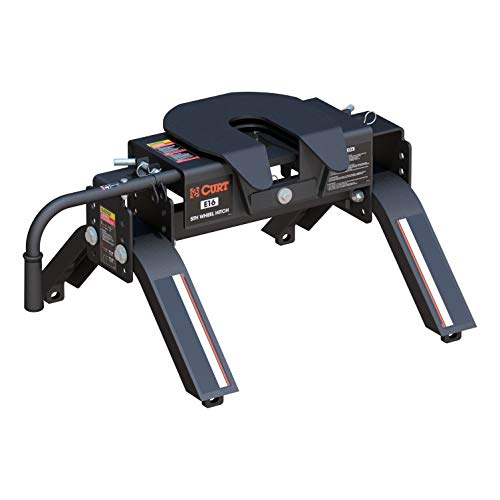
- DUAL-PIVOT HEAD. This CURT 5th wheel hitch features a dual-pivoting head that provides 10 degrees of…
- AUTO-LOCK. The coupler of this 5th wheel hitch has an automatic locking feature to make the coupling…
- ANTI-RATTLE. To help reduce rattling and vibration at the coupling point, this 5th wheel hitch is…
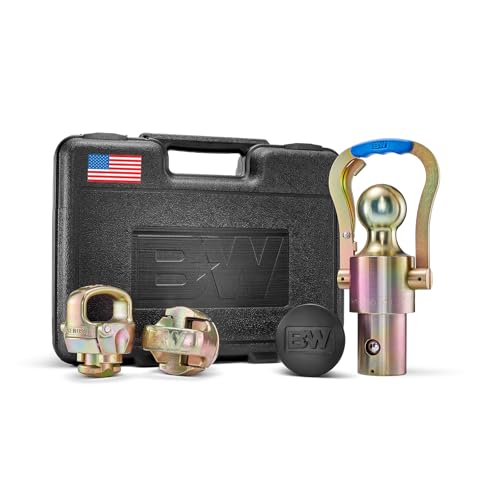
- Designed to work with OEM puck system hitches installed by Ford/GM/Nissan. This B&W product is…
- Convenient handle locks in horizontal position to prevent accidental unlatching and provides a clean…
- All components are plated or stainless steel for corrosion protection. This B&W product is…
Last update on 2026-03-21 / Affiliate links / Images from Amazon Product Advertising API