
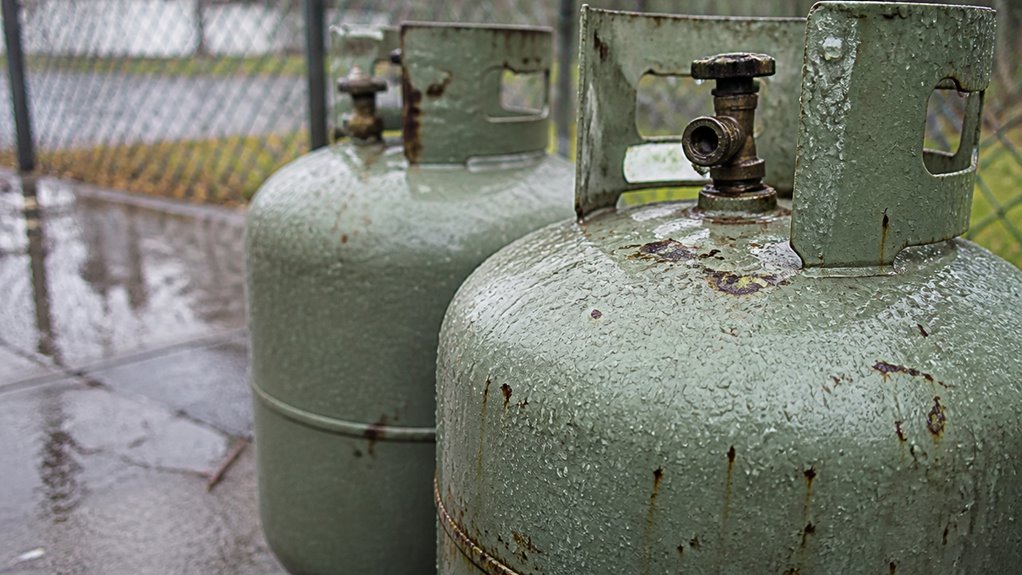
You can safely expose your propane tank to rain or snow, as they’re built for outdoor use and tolerate normal wet conditions.
However, prolonged moisture or flooding can cause corrosion, valve leaks, and regulator malfunctions.
Floodwaters may shift or damage your tank, increasing safety risks.
Regularly inspect for damage, keep the tank upright on a dry surface, and protect vulnerable parts.
Understanding these precautions helps you keep your propane system safe and functioning well over time.
Key Takeaways
- Propane tanks are designed for outdoor use and can withstand normal rain and snow without immediate harm.
- Light moisture is generally not harmful, but damaged paint or coatings increase corrosion risk.
- Valves, regulators, and vents are vulnerable to water damage and require protective covers.
- Flooding can dislodge or damage tanks, causing leaks and safety hazards.
- Regular inspections and maintenance are essential after wet conditions to ensure safety and functionality.
Can Propane Tanks Get Wet Safely?

Propane tanks can generally get wet safely during normal rain or snow since they’re built for outdoor use. You don’t need to worry about light moisture causing immediate harm.
Propane tanks withstand normal rain or snow without issue, designed specifically for outdoor conditions.
However, you should inspect the tank regularly, especially if its paint or protective coating shows damage. Rust can develop when bare metal is exposed to moisture.
Keep the tank upright and make certain it’s placed on a dry, stable surface to avoid water pooling underneath, which accelerates corrosion.
While the tank shell is designed to handle wet conditions, be mindful that prolonged exposure to standing water or harsh weather can increase maintenance needs.
Always check for visible signs of wear or rust and address them promptly to maintain safety.
Using regulators made from corrosion-resistant materials can further protect your propane system from moisture-related damage.
Water Exposure Effects on Propane Tank Components
Although the tank’s metal shell can usually handle moisture without immediate issues, water exposure poses greater risks to components like valves, regulators, and vents. These parts are more vulnerable to corrosion, freezing, and clogging, which can impair proper function and safety.
You need to keep these components dry and protected to maintain system integrity and avoid hazards.
| Component | Water Exposure Effect | Recommended Action |
|---|---|---|
| Valves | Corrosion, leaks | Inspect regularly, replace if damaged |
| Regulators | Freezing, malfunction | Use protective covers, check after wet weather |
| Vents | Clogging, corrosion | Clear debris, ensure proper drainage |
| Connectors | Rust, connection failure | Tighten, inspect seals frequently |
Stay vigilant after rain or storms to prevent water-related damage to essential propane tank parts. Using fittings with corrosion resistance can significantly enhance the durability of exposed components.
Why Flooding Is More Dangerous for Propane Tanks?
When floodwaters rise, they pose a serious threat to propane tanks by potentially shifting, floating, or dislodging them from their secure positions. This movement can damage the tank, its valves, or connected lines, creating leak hazards that put you and others at risk.
Flooding also submerges regulators and vents, increasing the chance of water infiltration and malfunction. Since tanks may float or tilt, you can’t assume they remain safely upright.
Additionally, wet soil and standing water accelerate corrosion, especially beneath the tank, weakening its structure over time. After flooding, you shouldn’t attempt to reposition or use the tank until a qualified professional inspects it.
Understanding these dangers helps you recognize why flooding is far more hazardous to propane tanks than ordinary wet conditions. Proper maintenance and the use of fuel stabilizers can help protect equipment exposed to moisture and prolong engine life.
Protecting and Maintaining Outdoor Propane Tanks
Flooding underscores the importance of keeping your outdoor propane tank secure and well-maintained to prevent damage and hazards.
Flooding highlights the need to secure and maintain your outdoor propane tank to avoid risks and damage.
You should place the tank on a stable, elevated platform to avoid prolonged contact with wet soil, which accelerates rust.
Regularly inspect the tank’s paint and coating for chips or wear, and promptly address any damage to prevent corrosion.
Secure the tank firmly using approved chains or cables to prevent movement during severe weather.
Protect sensitive components like valves and regulators with caps or domes to keep moisture out.
Keep the area around the tank clear of debris and ensure proper ventilation.
Additionally, regularly inspecting propane hoses and fittings for signs of wear and replacing them as needed helps maintain safe and efficient operation.
Post-Rain and Flooding Safety Checks for Propane Tanks
Since water exposure can compromise your propane tank’s safety and function, performing a thorough inspection after heavy rain or flooding is essential.
Start by checking the tank’s exterior for chipped paint, rust, or corrosion, especially where water may have pooled.
Inspect valves, regulators, and vents for water intrusion, damage, or blockage, ensuring they remain dry and clear.
Confirm the tank is upright, secure, and hasn’t shifted or floated during flooding.
Avoid turning the gas valve back on until a qualified technician inspects the system.
If you smell propane or notice visible damage, evacuate immediately and contact emergency services.
Routine post-storm checks help prevent leaks, corrosion, and operational hazards, keeping your propane tank safe and reliable after exposure to wet conditions.
For continuous safety, consider installing a hardwired 12V propane detector to monitor for leaks even after wet weather.
Frequently Asked Questions
How Long Can a Propane Tank Be Left Wet Before Rust Appears?
Rust can begin forming on a propane tank within days if moisture stays trapped, especially where paint or coating is chipped.
Corrosion risk increases markedly when wet soil or standing water contacts the tank’s metal surface.
To prevent rust, keep the tank dry and inspect it regularly.
Promptly addressing any paint damage and avoiding prolonged wet conditions will help maintain your tank’s safety and longevity.
Can Wet Propane Tanks Cause Gas Leaks Inside the Home?
Wet propane tanks themselves don’t directly cause gas leaks inside your home, but moisture can damage valves, regulators, or connections, increasing leak risks.
If water corrodes or clogs these components, leaks may develop. Always make certain your tank and system stay dry, inspect after storms, and never ignore propane smells indoors.
If you suspect a leak, turn off the gas, ventilate the area, and contact a professional immediately for safety.
Is It Safe to Move a Propane Tank Immediately After Rain?
You shouldn’t move a propane tank immediately after rain unless absolutely necessary.
Wet conditions can make the tank slippery and harder to handle safely, increasing the risk of dropping or damaging it.
Also, moisture might affect valves or fittings, so handle with care.
Wait until the tank is dry, secure it properly, and inspect for any damage before moving.
If in doubt, contact a professional to guarantee safety.
What Materials Are Used to Coat Propane Tanks Against Moisture?
Back in the days of musketeers, protection was key, just like with propane tanks today.
You’ll find that tanks are coated with epoxy or polyurethane paints, which shield against moisture and corrosion.
Sometimes, a zinc-rich primer is applied first to enhance rust resistance.
These materials work together to keep your tank safe from the elements.
Always inspect the coating regularly, because any damage could expose metal and speed up corrosion.
Are There Special Covers Available to Protect Propane Tanks From Rain?
Yes, you can find special covers designed to protect propane tanks from rain and moisture.
These covers often shield regulators, valves, and fill openings, helping prevent water intrusion and corrosion.
When choosing one, make certain it fits securely without blocking ventilation or causing condensation buildup.
Remember, covers supplement but don’t replace regular inspection and maintenance.
Use them as part of a thorough approach to keep your propane tank safe and functional during wet weather.
Can Propane Tanks Get Wet? Final Safety Tips
You can get propane tanks wet, but like a car left out in a rainstorm, constant exposure can lead to rust and damage.
Imagine a friend who ignored a small leak until it became a costly repair. Your tank needs the same care.
Regular checks and protective measures keep it safe. Treat your propane tank like a trusted tool: a little attention prevents big problems, ensuring it works reliably when you need it most.